Change management is the discipline of preparing, equipping and supporting individuals to adapt to new ways of working. In today's fast-moving business environment, where global competition, technology shifts and evolving customer expectations are constant, successful organisations must be agile. Leaders need to anticipate change, plan strategically and communicate effectively to ensure their people feel confident and capable of transitioning smoothly.
While leaders set direction, change ultimately comes to life through employees' actions and behaviours. This fact makes a deep understanding of culture, values and team dynamics essential. Yet change naturally brings uncertainty. Individuals at every level may experience resistance, hesitation or fatigue. Securing the commitment of leadership and key stakeholders early helps create alignment, shared purpose and the foundations for a supportive change journey.
The Role of Communication and Continuous Adaptation
Clear, consistent and timely communication is vital throughout any change process. Teams need to understand not only what is changing, but why it matters and how they can contribute. As change unfolds, plans must be reassessed, refined and adjusted to keep people engaged and focused. Recognising progress and celebrating success reinforces positive behaviour and reduces attachment to old ways of working.
How team building enhances change capability
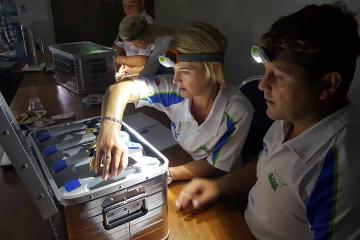
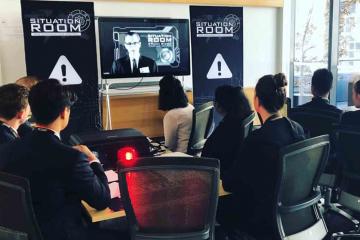
Team-building experiences are a powerful catalyst for helping teams develop the skills and mindset required to embrace change. Through shared challenges and facilitated reflection, team building:
Builds psychological safety, allowing individuals to express concerns, explore new ideas and engage openly with the change process.
Strengthens communication and collaboration, essential skills when teams must work together in different ways.
Increases adaptability by placing teams in dynamic environments where experimentation and problem-solving become the norm.
Creates a shared understanding of the need for change, making it easier for teams to align around new goals and expectations.
Provides a non-threatening platform to surface issues, discuss impacts and create practical strategies for moving forward.
Reinforces positive behaviours, as teams experience firsthand the benefits of flexibility, resilience and collective achievement.
By combining strategic change planning with engaging, experiential team development, organisations can empower their people to navigate uncertainty with confidence. Strong leadership support and a positive culture not only accelerate adoption but also deepen trust and enable teams to thrive in an ever-evolving world.
Look at this selection of related popular programs. Need help in deciding? Looking for something else?